A Region Rooted in Tradition

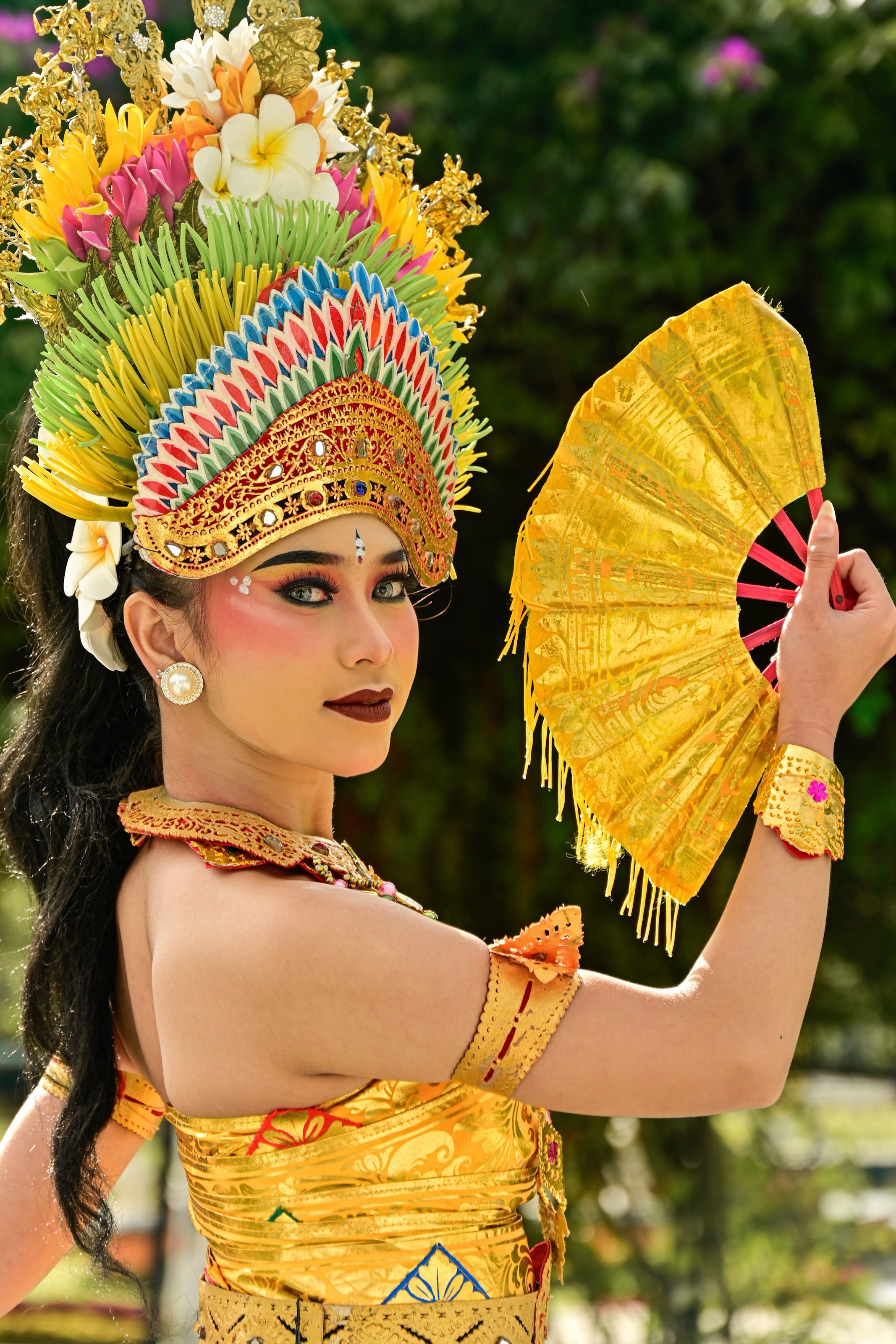
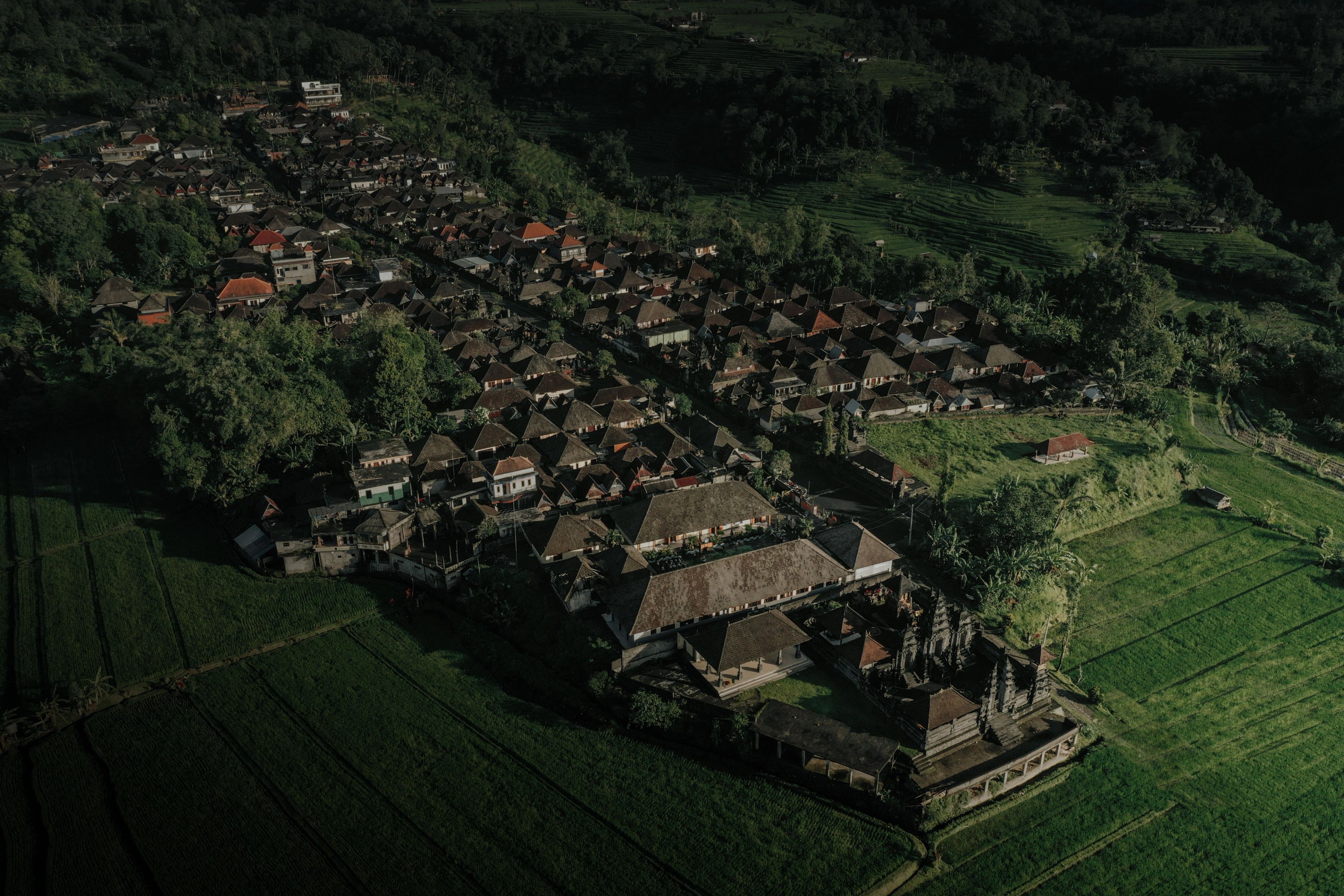
Candidasa sits within Karangasem Regency, one of Bali's most traditional corners of the island. The area sits under the shadow of Mount Agung, Bali's most sacred mountain, and carries a slower rhythm than the island's busier southern coast. Daily life here runs alongside Balinese Hindu practice, and temple offerings, community ceremony, and customary law shape the calendar in ways visitors notice from their first day.

The Seed sits inside this setting, giving guests a direct route into Balinese cultural life.

Ceremony and Daily Ritual

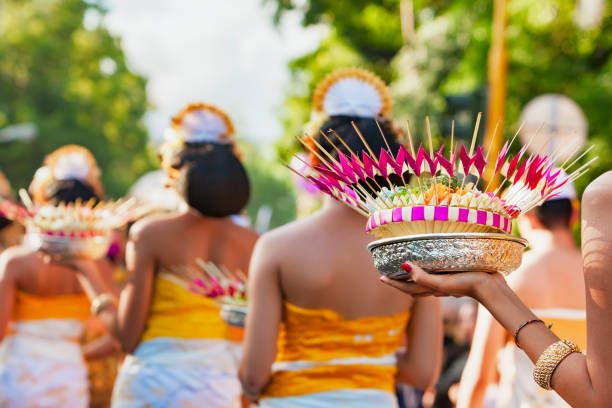
Balinese Hinduism runs through daily routine across Karangasem. Small woven offerings called canang sari appear outside homes, temples, and shopfronts each morning, renewed as part of a continuous cycle of gratitude and balance. Temple anniversaries, known as Odalan, mark the consecration of individual temples and recur every 210 days on the Balinese calendar, drawing entire communities into days of ceremony, dance, and music.

Larger island-wide celebrations punctuate the year too. Galungan and Kuningan mark the return of ancestral spirits and are among the most significant dates on the Balinese Hindu calendar, while Nyepi, the Balinese New Year, brings the entire island to a full day of stillness and reflection. Guests visiting during these periods witness a side of Bali that stays largely hidden from the standard tourist circuit.
Black and white photo of a dancer draped in a snake beside the pool

Tenganan - Bali's Original Village

A short distance from The Seed sits Tenganan, one of the last surviving Bali Aga villages on the island. The Bali Aga trace their heritage to pre-Hindu Bali, predating the Majapahit influence that shaped much of the island's mainstream culture, and Tenganan has preserved its customary law, communal land ownership, and architectural layout for centuries.

The village is known internationally for gringsing, a double-ikat weaving technique practiced nowhere else on Bali and believed by locals to carry protective properties. Each June, the village holds Mekare-kare, or the Pandan War, a ceremonial duel using thorny pandanus leaves performed in honor of Indra, the Hindu god of war, as part of the month-long Usaba Sambah ceremony.

For guests visiting outside ceremony season, the village remains open for walking tours through its residential, plantation, and rice-growing sections, with local weavers demonstrating gringsing production in workshops along the main path.

A stone dolmen entrance illuminated at dusk with lush tropical foliage around it.

Craft and Community

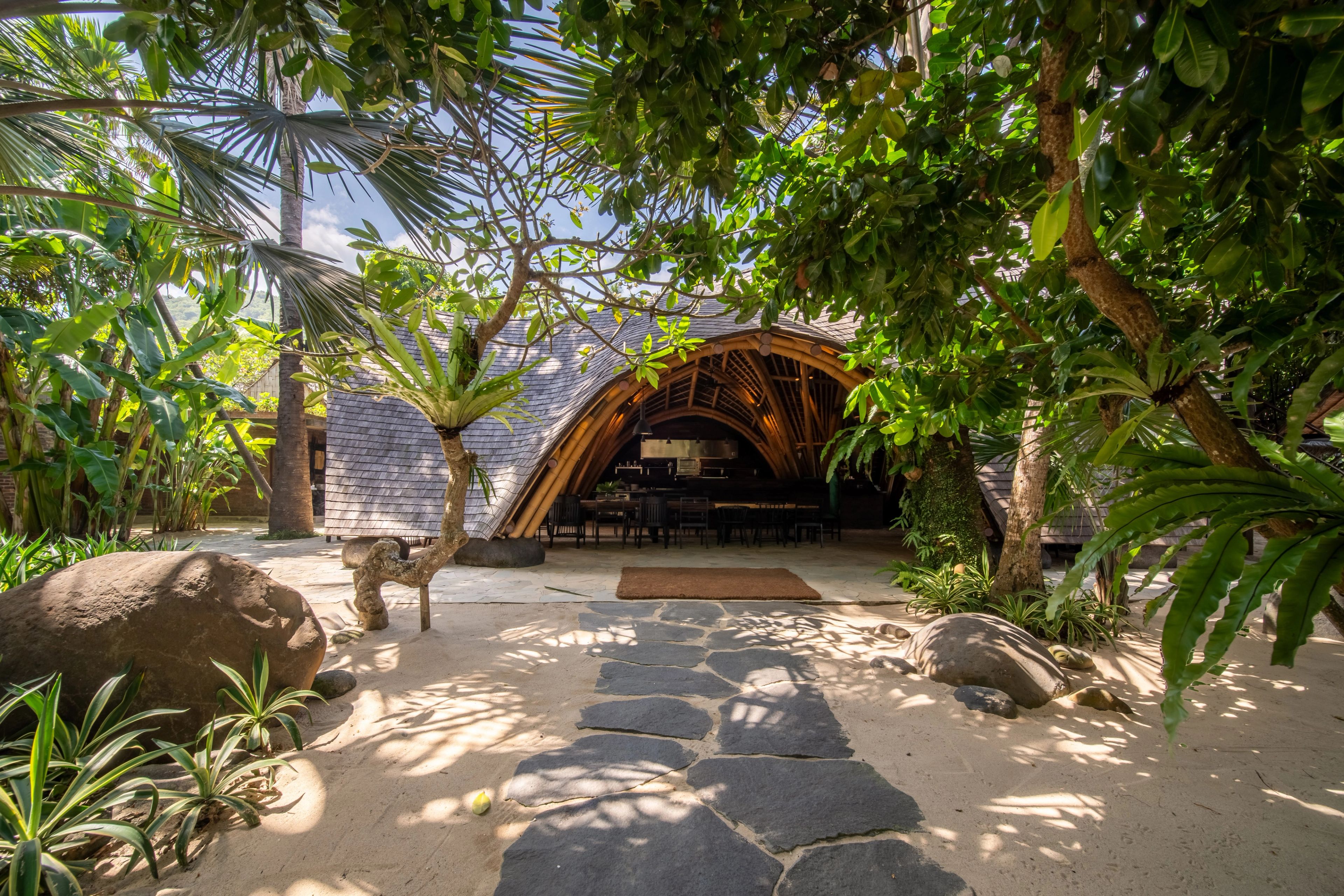
Balinese craftsmanship shaped The Seed from the ground up. Local artisans and craftspeople built the estate's structures, including bamboo specialists Asali Bali, whose work on the property's restaurant later drew attention from international design houses. Recycled timber, reclaimed stone, and traditional building methods run through every villa, connecting the property's architecture back to regional building practice.

That relationship with the local community extends into daily operations. The property works directly with farmers, foragers, fishermen, and artisanal craftspeople to source ingredients and materials, and runs education initiatives with the surrounding community focused on environmental awareness and sustainable practice. This reflects an ongoing working relationship between the property and the region it sits in, built over years.

The curved bamboo entrance archway of the restaurant framed by tropical trees.

Frequently asked questions

What makes Candidasa culturally significant in Bali?

Candidasa sits within Karangasem Regency, an area known for maintaining traditional Balinese Hindu practice, temple ceremony, and village customs largely unchanged by the island's wider tourism development.

What is Tenganan village, and how close is it to The Seed?

Tenganan is a Bali Aga village a short distance from The Seed, known for its double-ikat gringsing weaving and centuries-old customary law. It ranks among the last surviving pre-Hindu Balinese settlements on the island.

What Balinese ceremonies might guests see during their stay?

Depending on timing, guests may encounter temple anniversary ceremonies (Odalan), daily offering rituals, or larger island-wide celebrations such as Galungan, Kuningan, or Nyepi, each tied to the Balinese Hindu calendar.

Does The Seed work with the local community?

The property sources ingredients through local farmers, foragers, and fishermen, and runs education initiatives with the surrounding community centred on environmental awareness and sustainable practice.

Can guests visit Tenganan during their stay?

Yes. Trips to Tenganan and other traditional villages in the region can form part of a guest's itinerary alongside the property's on-site activities.