- Tri Hita Karana is the central philosophy of Balinese life, and it translates from Sanskrit as "the three causes of well-being."
- The philosophy links prosperity and happiness to three relationships: with the divine (parahyangan), among people (pawongan), and with nature (palemahan).
- The three relationships are interdependent, so strain in one affects the other two, while balance across all three supports individuals and whole communities.
- The underlying ideas come from Balinese Hinduism, and the term entered formal use at a Hindu community conference in Denpasar in November 1966.
- In 2012, UNESCO listed the subak irrigation system as a World Heritage cultural landscape, naming it a manifestation of Tri Hita Karana.
- Daily canang sari offerings, temple anniversaries every 210 days, and ceremonies at each stage of the rice cycle express the relationship with the divine.
- The banjar village council and the practice of gotong royong put communal cooperation into daily practice.
- Traditional architecture follows Asta Kosala Kosali, placing sacred spaces toward the mountain and everyday functions toward the sea.
- Karangasem Regency and the Bali Aga village of Tenganan on the east coast keep these traditions especially visible.
- For visitors, Tri Hita Karana offers a practical guide to respectful behaviour, from wearing a sarong at temples to stepping around offerings on the ground.
Tri Hita Karana is the central philosophy of Balinese life. The name translates from Sanskrit as "the three causes of well-being." The concept holds that prosperity and happiness come from three harmonious relationships between human beings and God, among people, and between people and the natural environment. When all three stay in balance, individuals and communities thrive.
What Tri Hita Karana Means
Tri Hita Karana is a Sanskrit phrase made up of three words. Tri means three. Hita means prosperity, covering happiness and well being in both a material and a spiritual sense. Karana means cause or source. The name identifies three sources of a good life, and each one is something a person can actively tend.
The Tri Hita Karana concept treats these three aspects of existence as interdependent. A balanced relationship with the divine, with other people, and with the land supports the other two, and strain in one spreads to the rest. A rice harvest shows how this works. It relies on healthy water and soil, on neighbours sharing irrigation fairly, and on the ceremonies that mark each stage of the growing cycle. Balinese people apply the same reasoning to family life, village decisions, and the way a home is built.
A Short History
The ideas at the heart of Tri Hita Karana run deep in Balinese Hinduism, a local form of Hindu practice blended with older animist beliefs and ancestor veneration. The term itself entered formal use in November 1966, at a regional conference of the Balinese Hindu community in Denpasar, where it was set down as a guiding philosophy for Hindu life on the island.
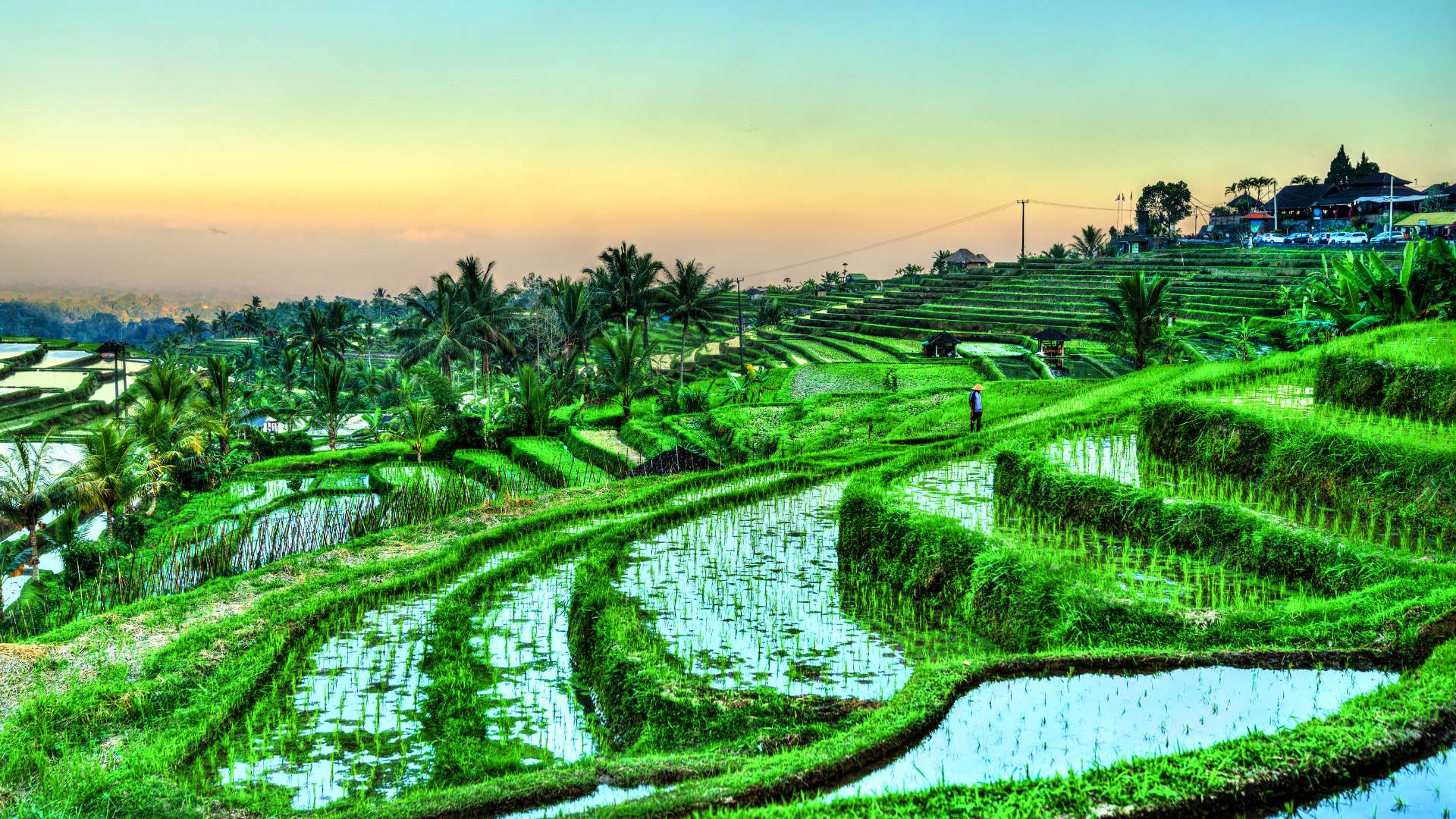
In 2012, UNESCO inscribed the Cultural Landscape of Bali Province on its World Heritage List, officially naming the subak system as a manifestation of the Tri Hita Karana philosophy. Subak is Bali's cooperative irrigation network, dating to the 9th century, in which farmers share water through canals and weirs managed from water temples. The listing placed the philosophy of Tri Hita Karana at the centre of Bali's cultural heritage on a global stage.
The Three Elements
Parahyangan: Harmony With The Divine
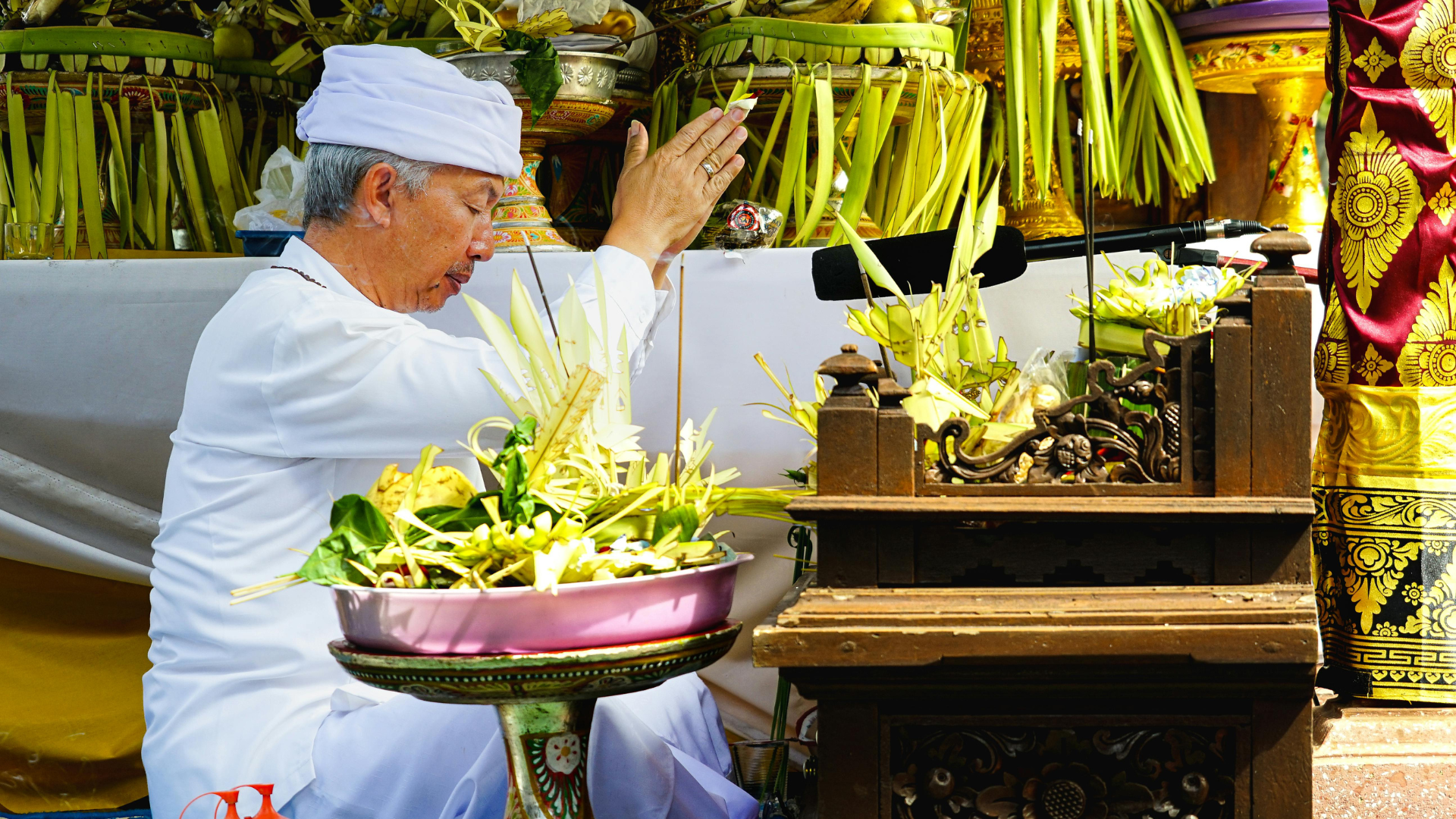
Parahyangan governs the relationship between humans and God, and it appears in the numerous rituals that structure Balinese life. Canang sari, small woven trays of flowers, rice, and incense, are placed each morning outside homes, temples, and shopfronts. These offerings express gratitude and are believed to maintain balance between seen and unseen forces. Every temple holds its own anniversary ceremony, Odalan, every 210 days on the Balinese calendar, and larger ceremonies such as Galungan and Kuningan draw entire villages into days of prayer, music, and dance. These spiritual practices keep a constant connection between the household and the divine.
Pawongan: Harmony Among People
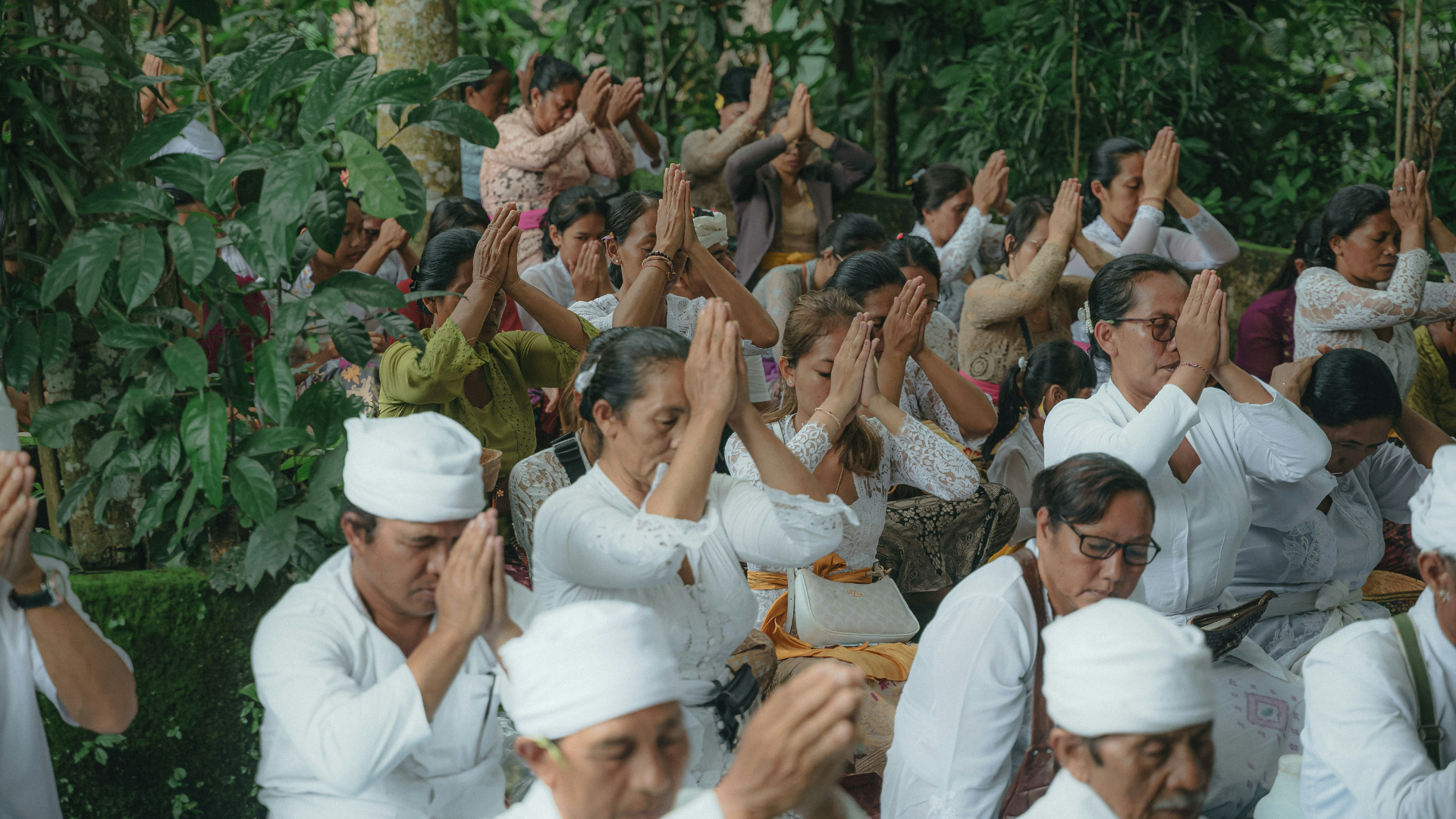
Pawongan covers relationships between human beings: family, neighbours, and the wider community. Balinese society organises itself through the banjar, a neighbourhood council that coordinates ceremonies, cremations, and shared work. The principle of gotong royong, or communal cooperation, means villagers contribute time and labour to temple festivals and building projects as a matter of course. Pawongan asks for respect, compassion, and awareness of others, and it explains why social harmony carries such weight in Balinese culture.
Palemahan: Harmony With Nature
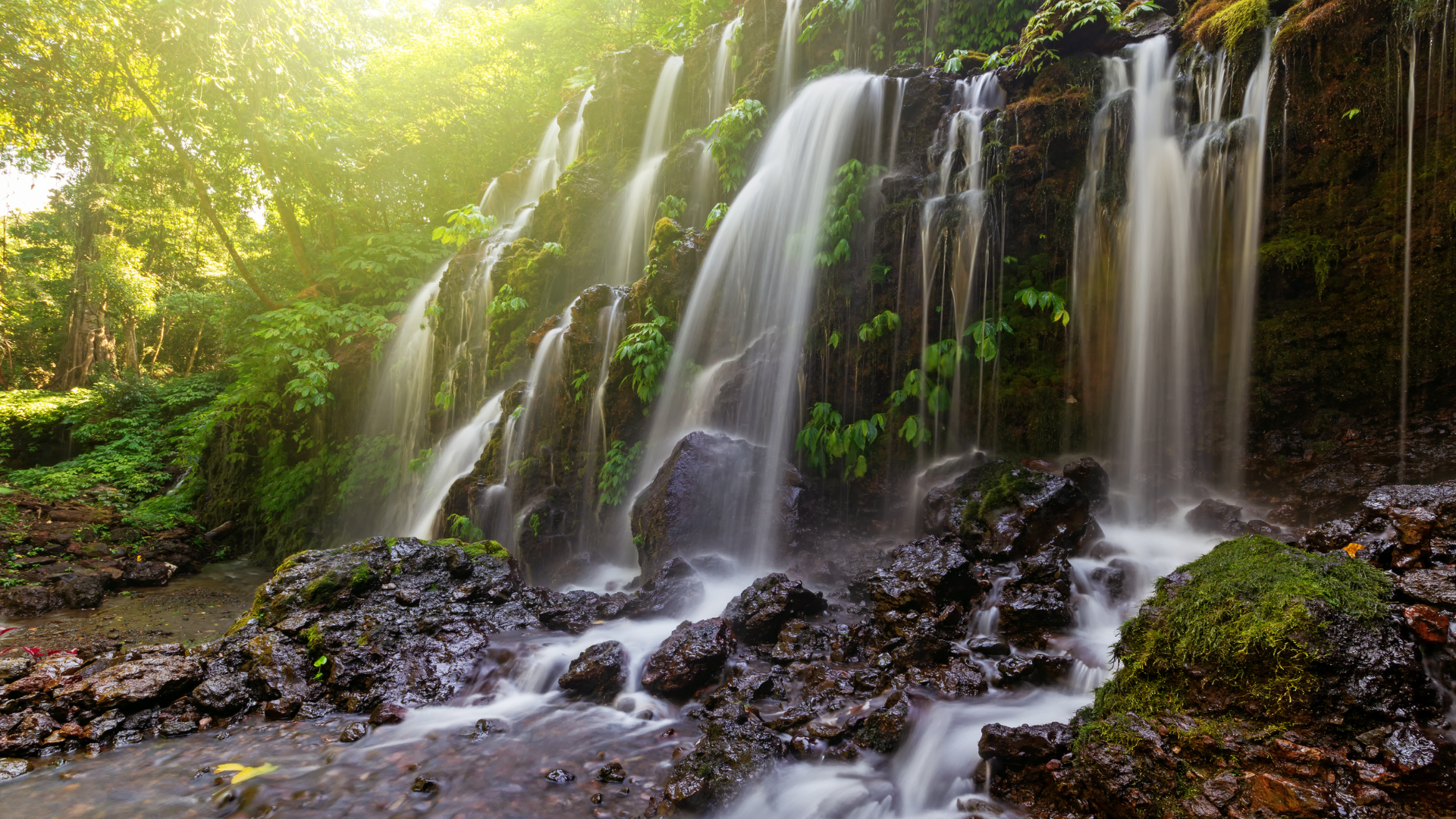
Palemahan concerns the relationship between humans and the physical environment, mother earth in its most practical sense. The subak system is its clearest expression, where water flows from volcanic lakes through shared channels, and every farmer along the route receives a fair allocation. Nyepi, the Balinese New Year, extends the principle across the island. For 24 hours Bali falls silent, with lights dimmed, roads empty, and the airport closed, giving the earth a full day of rest.
Where Tri Hita Karana Shows Up in Balinese Life
- Architecture: Traditional buildings follow Asta Kosala Kosali, a building code rooted in the same principle. Measurements are taken from the body of the owner, using units such as the span of the arms and the length of a finger, so each building is scaled to the person who lives in it. Orientation matters just as much. The mountain-facing direction, kaja, holds spiritual significance, while the sea-facing side, kelod, holds everyday functions.
- Temples: Balinese temples divide into three courtyards under the Tri Mandala layout. The outer courtyard holds community gatherings and performances, the middle courtyard holds preparation and supporting pavilions, and the inner courtyard, closest to the mountain, holds the shrines. Moving through a temple means moving from the human world toward the divine.
- Family compounds: Homes follow the same logic. The family temple, or sanggah, sits in the corner facing the mountain and the sunrise. Sleeping pavilions and living areas sit at the centre, and the kitchen, granary, and service areas sit toward the sea. A walled perimeter and a screen wall behind the entrance gate complete the layout, marking the compound as a protected space.
- Art and performance: Dance, gamelan music, carving, and weaving serve as creative expressions of devotion. Balinese dance falls into three categories: sacred dances performed in the inner temple, ceremonial dances that accompany rituals, and performances staged for wider audiences. UNESCO recognised these three genres of traditional dance in 2015. Stone guardian figures, carved temple gates, and woven ceremonial cloth all carry the same role, giving physical form to spiritual practice.
- Farming: The subak system organises irrigation around water temples, and its roots reach back to the 9th century. Each subak association decides together when fields flood, when planting begins, and how water divides between upstream and downstream farmers. Ceremonies mark each stage of the growing cycle, with offerings to Dewi Sri, the goddess of rice and fertility.
- Days for nature: The Balinese calendar sets aside specific days to honour the natural world. On Tumpek Wariga, held 25 days before Galungan, families place offerings at the base of trees and plants to give thanks for the fruit and timber they provide. Tumpek Kandang serves the same purpose for livestock and animals.
- Village life: The banjar, or neighbourhood council, coordinates ceremonies, cremations, and shared work, and each banjar keeps its own meeting hall at the centre of village life. Villages follow awig-awig, written customary rules that cover everything from temple duties to land use. Villagers contribute time and labour through gotong royong, the practice of communal cooperation.
- Karangasem Regency: On the east coast of the island, these traditions remain especially visible. The region sits beneath Mount Agung, the most sacred mountain on the island, and is home to Pura Besakih, the mother temple of Balinese Hinduism, on the mountain's slopes. Ceremony, customary law, and village temple duties set the rhythm of the year across the regency.
- Tenganan: This nearby village is one of the last surviving Bali Aga settlements, tracing its heritage to pre-Hindu Bali. It has kept its communal land ownership, customary law, and village layout for centuries, with family compounds arranged in parallel rows along terraced lanes. Tenganan is known for gringsing, a double-ikat weaving technique practised nowhere else on the island, and each June it holds Mekare-kare, a ceremonial duel with pandanus leaves performed as part of the month-long Usaba Sambah ceremony.
Common questions
What is the essence of Tri Hita Karana?
The essence of Tri Hita Karana is balance across three relationships, including with the divine, with other people, and with nature. As a Balinese philosophy, it holds that prosperity and happiness follow when all three receive equal care. The idea speaks to humanity as a whole, since every person relies on faith or meaning, community, and a healthy planet.
How does Tri Hita Karana shape daily rituals in Bali?
Tri Hita Karana guides daily rituals across the island, starting each morning with canang sari offerings placed at homes, temples, and shopfronts. It also sets the timing of temple anniversaries every 210 days, ceremonies at each stage of the rice-growing cycle, and dedicated days of offerings for trees, plants, and animals. Each ritual reflects one or more of the three relationships at the heart of the philosophy.
Why is Tri Hita Karana important to understand before visiting Bali?
Tri Hita Karana is the clearest way to understand Bali, because it explains many aspects of island life that visitors see from their first day. It accounts for why offerings sit on the ground, why whole villages pause for ceremonies, why buildings face the mountain, and why Nyepi brings the island to a full stop each year. Travellers who know the basics read these moments with far more context.
How does Tri Hita Karana relate to the rest of Indonesia?
Tri Hita Karana belongs to Bali, the only province in Indonesia where the majority of the population practises Hinduism. Its roots lie in Balinese Hinduism, which blends Hindu teachings with older local beliefs and ancestor veneration. Outside Bali, the concept now appears in Indonesian discussions of sustainable development and responsible land use, including the 2012 UNESCO listing of the subak irrigation system.
How does Tri Hita Karana influence tourism in Bali?
Tri Hita Karana shapes how tourism operates across Bali, and many hotels, resorts, and attractions apply its principles to design, staffing, and environmental practice. For visitors, it offers a practical guide to behaving as a respectful guest. Daily offerings and public ceremonial processions are free to observe from a respectful distance, provided visitors dress modestly, wear a sarong at temples, and step around offerings on the ground.
What can people outside Bali learn from Tri Hita Karana?
The wisdom of Tri Hita Karana applies well beyond Bali, because it promotes harmony through habits anyone can adopt. Care for the land, cooperation with neighbours, and time set aside for reflection or faith form a simple framework for a balanced life. It reflects a view of wellbeing built on relationships, with material success as one outcome of that balance.
Tell us what you have in mind and we will come back with what the estate can hold.

Plan your vacation
Family holidays, reunions, and quiet time together, by the sea in Candidasa.
Learn more →
Host your retreat
A venue for facilitators, with a full hospitality team behind every session.
Learn more →