- Kecak dance grew out of sanghyang, a sacred trance ritual used to protect villages from illness and evil forces.
- German painter Walter Spies and Balinese artist Wayan Limbak shaped the modern form in the early 1930s.
- The performance tells an episode of the Ramayana, the Hindu epic of Prince Rama, Sita and the demon king Rahwana.
- A chorus of 50 to 150 voices replaces the gamelan instruments that accompany most Balinese dances.
- Uluwatu Temple hosts the best-known daily kecak performances, with further shows at Tanah Lot, Batu Bulan and Ubud.
Kecak dance is a Balinese dance drama performed by a large circle of bare-chested men who chant "cak-cak-cak" in interlocking rhythms, while a small cast of costumed dancers acts out the Ramayana epic in the centre. Known in Indonesian as tari kecak, it takes its entire soundtrack from the human voice. The form took shape in the 1930s in Gianyar, grew out of an older trance ritual called sanghyang, and today ranks among the most recognised tourist attractions on the island.
This guide covers where the dance came from, what its story and symbols mean, a set of facts worth knowing, and the several popular spots across Bali where you can watch the kecak dance.
What is The Kecak Dance?
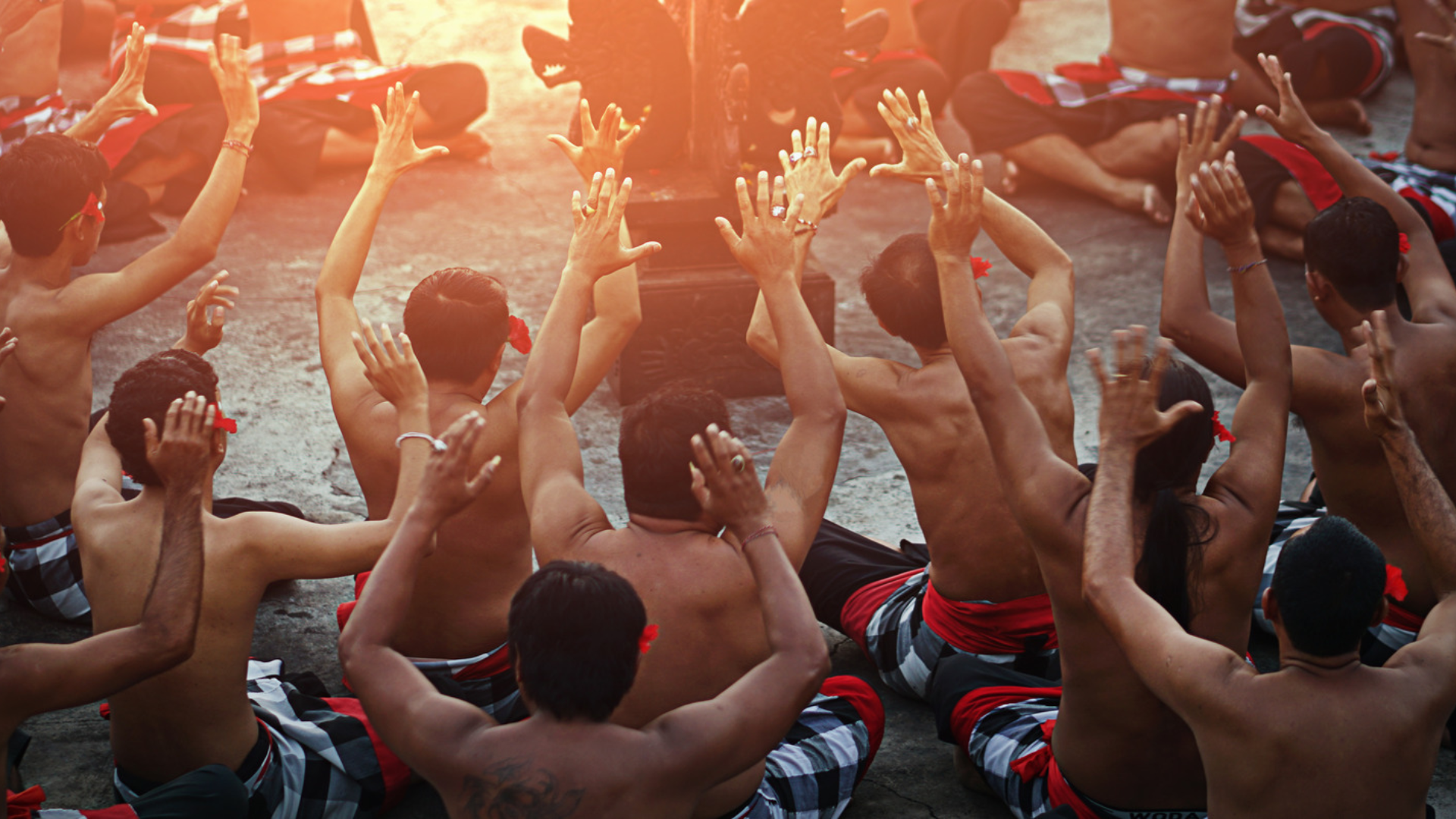
The name comes from "cak", the sharp syllable the chorus repeats from the moment the performance begins. Performers sit in concentric circles around a central oil lamp, each wearing black-and-white checked cloth around the waist. Over roughly an hour, they sway, lean back, raise their arms and shake their fingers in unison, moving the sound from a whisper to a roar as the story demands.
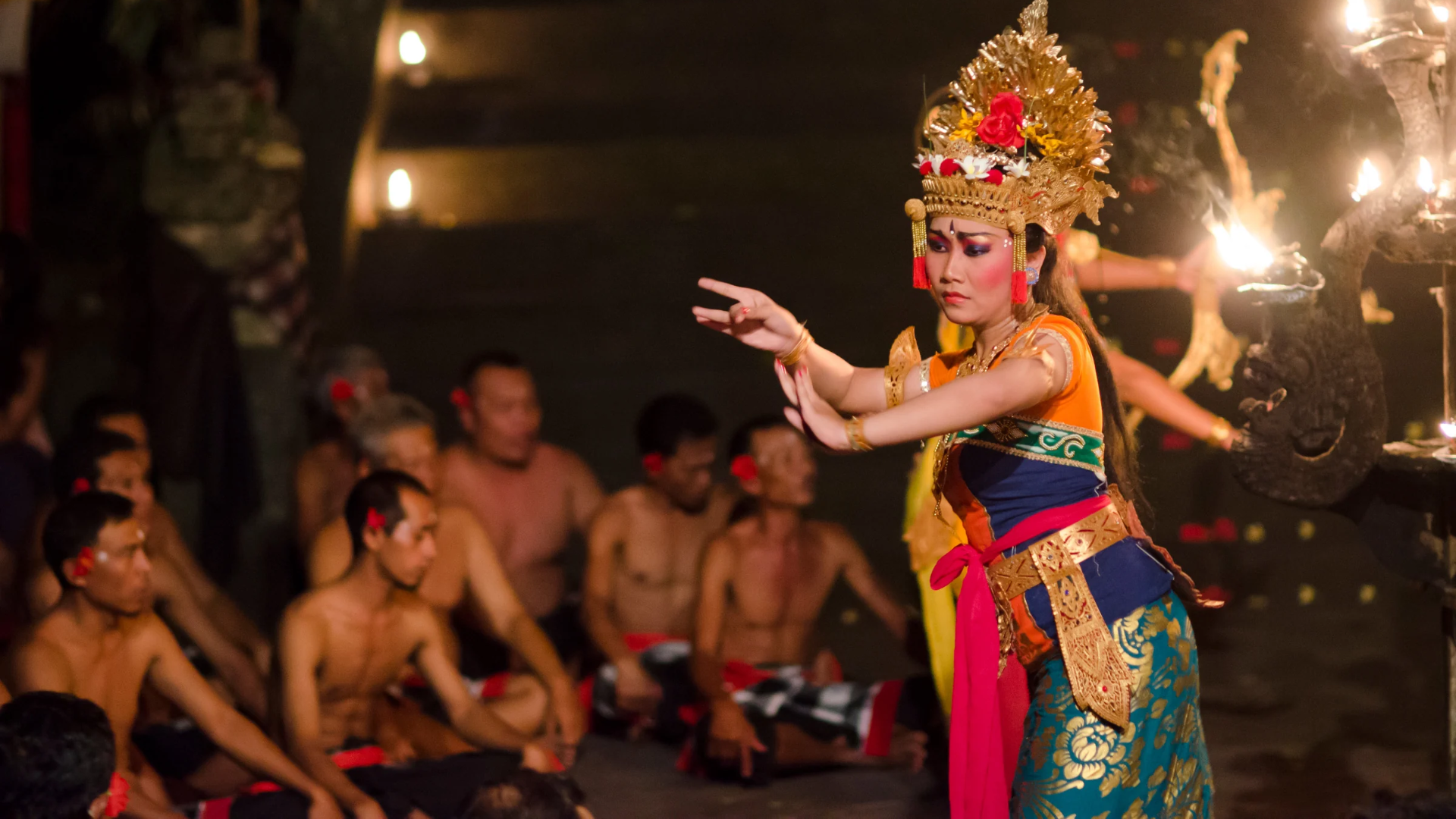
Inside the circle, principal dancers in gilded costumes and masks play the lead roles. A narrator sings verses in Kawi and Balinese, and the chorus answers, rising to full force for battle scenes and dropping low for moments of grief. The men of the circle also play the monkey army of the Ramayana, which gives the dance its English nickname, known as the monkey chant.
Kecak stands apart from other Balinese dances because of what it leaves out. Legong, Barong and Baris all rely on a gamelan orchestra of bronze metallophones, gongs and drums. Kecak relies on the voice alone, and this single choice gives it unique characteristics within Balinese cultural heritage.
From Sanghyang Ritual to Dance Drama
To understand kecak, we need to start with sanghyang, a family of sacred trance rituals in which a deity or spirit is believed to enter the body of a performer. In sanghyang dedari, two young girls in trance dance as celestial nymphs. In sanghyang jaran, an entranced man rides a wooden hobby horse through burning coconut husks. Both rituals used a male chorus chanting "cak" alongside sung verses, the vocal backing that later became the core of kecak.
These rituals served a protective purpose. Villages staged them during outbreaks of disease or misfortune to call on ancestral spirits and drive away evil forces. The village of Bona in Gianyar holds a strong oral history of this kind: residents describe the chant being performed in the early 20th century to stop a recurring epidemic, and Bona still claims a place among the birthplaces of kecak.
The cak chorus existed inside village ritual long before any tourist stage. The change in the 1930s came from separating the chorus from the trance ceremony and pairing it with a narrative drawn from a Hindu epic.
Walter Spies & Balinese artist Wayan Limbak
Walter Spies was a German painter and musician who settled in Bali in the late 1920s and became deeply involved in the island's arts. Wayan Limbak was a balinese dancer from Bedulu in Gianyar who, during the 1920s, had already begun working baris movements into the role of the cak leader.
In 1931, Spies served as an adviser on the German film Insel der Dämonen (Island of Demons), shot in Bedulu. Accounts of the production describe the chorus being enlarged to around 50 men seated in concentric circles for a more dramatic staging. Spies encouraged Limbak to build a spectacle around the Ramayana with the cak chorus as accompaniment, and that spectacle evolved into the dance drama performed today.
Historians still debate how much credit belongs to Spies. Balinese choreographer and scholar I Wayan Dibia argues that local performers were already developing the form when Spies arrived. Limbak's contribution is clearer. He led touring groups that carried kecak to international stages and built its global reputation. Spies died in 1942 when a ship carrying internees sank during the Second World War. Limbak passed away in 2003, reportedly at more than 100 years of age.
Prince Rama & The Ramayana Epic
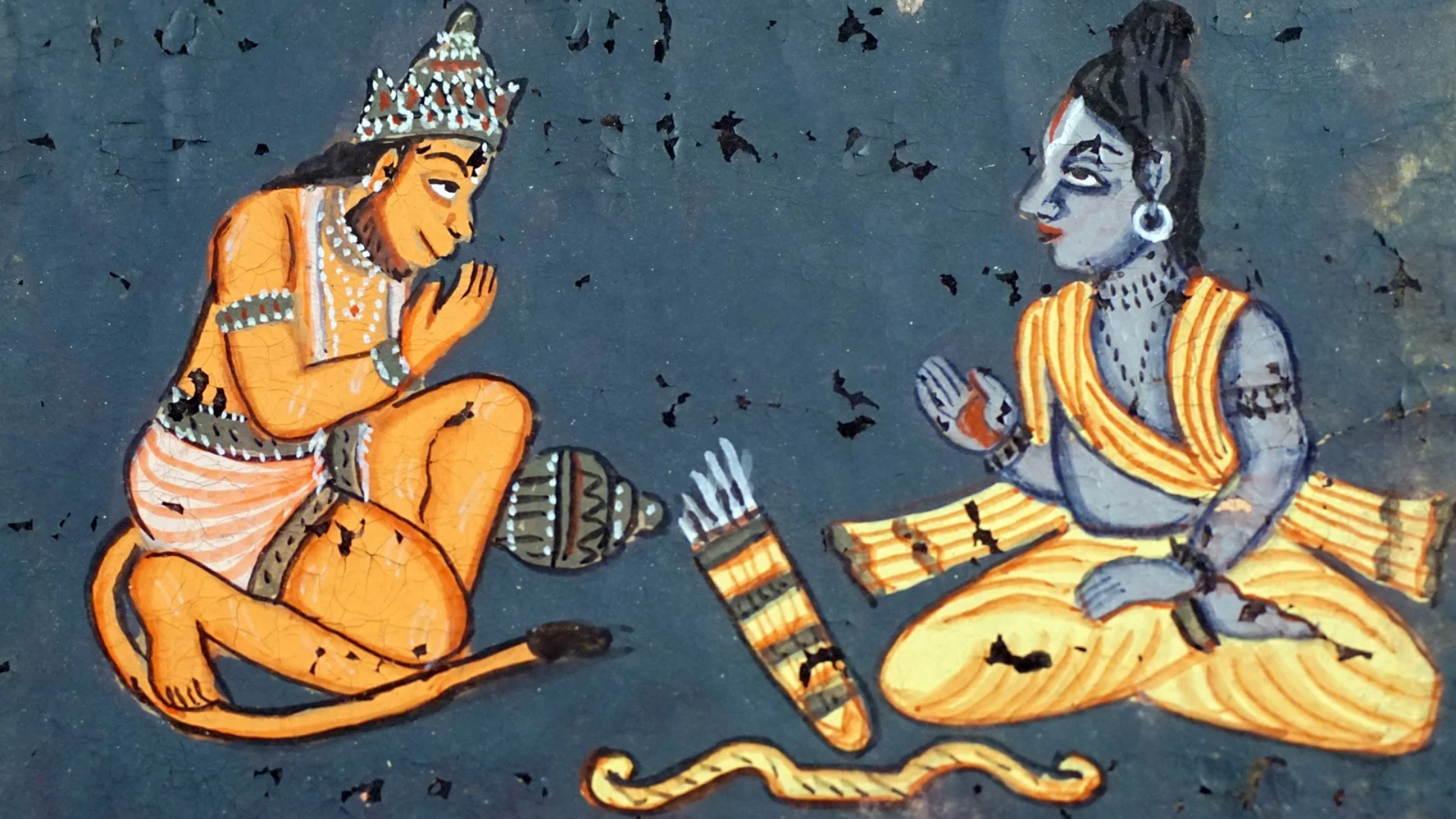
Most kecak performances present an episode from the Ramayana, a Hindu epic composed in India and retold across Southeast Asia for centuries. The Balinese version follows Prince Rama, his wife Sita and his brother Laksmana during their exile in the Dandaka forest.
Rahwana, the demon king of Alengka, desires Sita and sends a golden deer to lure Rama away. Rama follows the deer, Laksmana goes after him, and Rahwana seizes Sita and carries her off. The great bird Jatayu tries to stop him and falls in the fight.
Rama then allies with the monkey kingdom. Hanuman, the white monkey general, reaches Sita in captivity and hands her Rama's ring as a sign that rescue is coming. Rahwana's forces capture Hanuman, tie him up and set him alight, but he breaks free and sets fire to Rahwana's palace. This is the scene most audiences remember: the fire dance, with flames surrounding a dancer at the centre of the circle. The story closes as Rama, supported by the monkey army and the divine bird Garuda, defeats the evil forces and wins Sita back.
Each dancer carries the plot through facial expressions, eye movement and precise hand gestures. Hanuman often climbs into the audience, adding humour and drawing the crowd into the story.
Where To Watch Kecak Dance in Bali
Uluwatu Temple
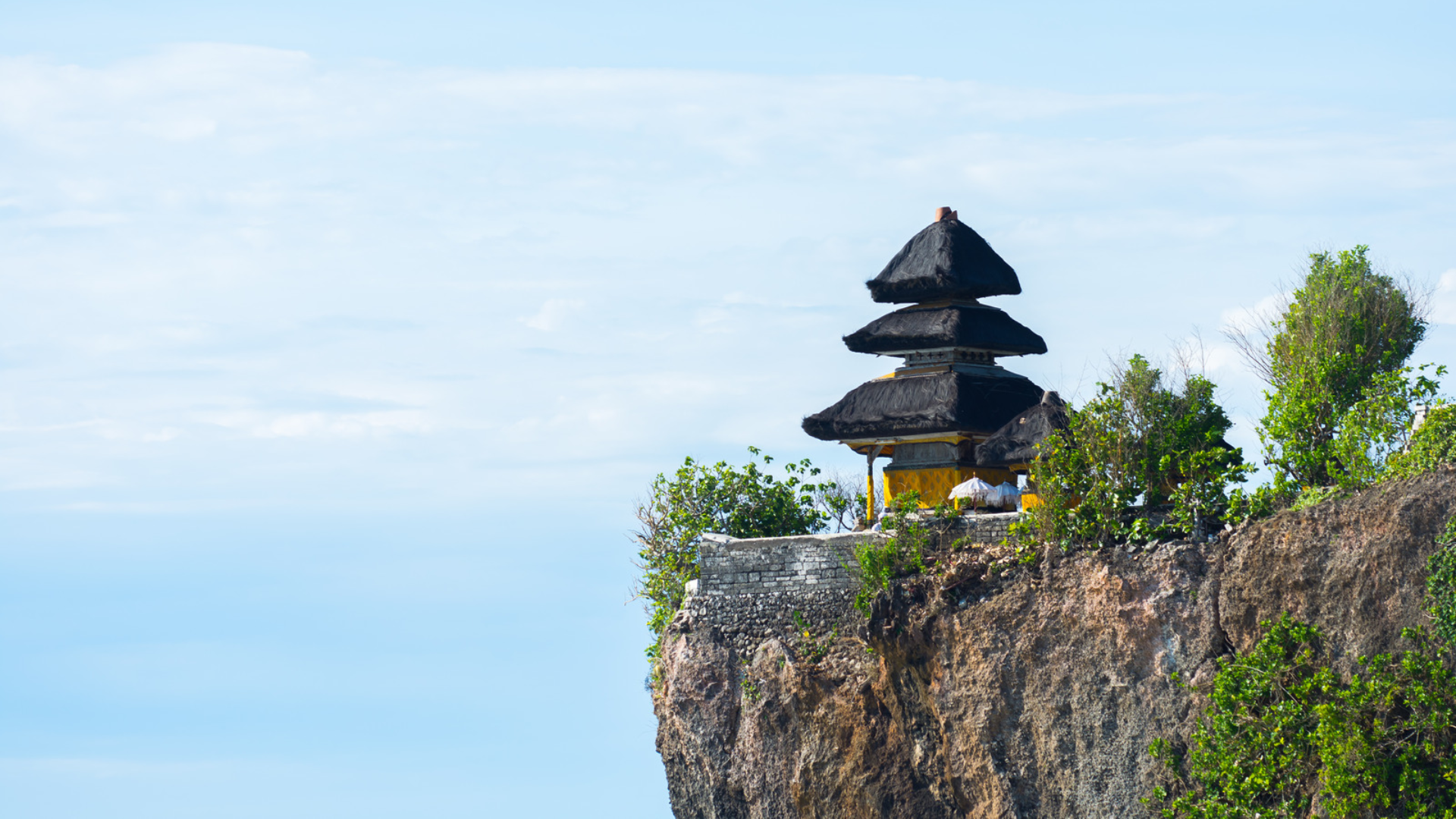
Uluwatu Temple, on the Bukit Peninsula in the far south, is the most popular destination for kecak dance performances in Bali. Performances take place in an open-air amphitheatre on the cliff edge above the Indian Ocean, timed so the story unfolds as the sun sets. Daily shows begin around 6pm, with an additional evening session during peak periods. Expect a crowd of several hundred at one of the island's iconic performances, where the breathtaking beauty of the surrounding area matches the drama on stage.
Tanah Lot
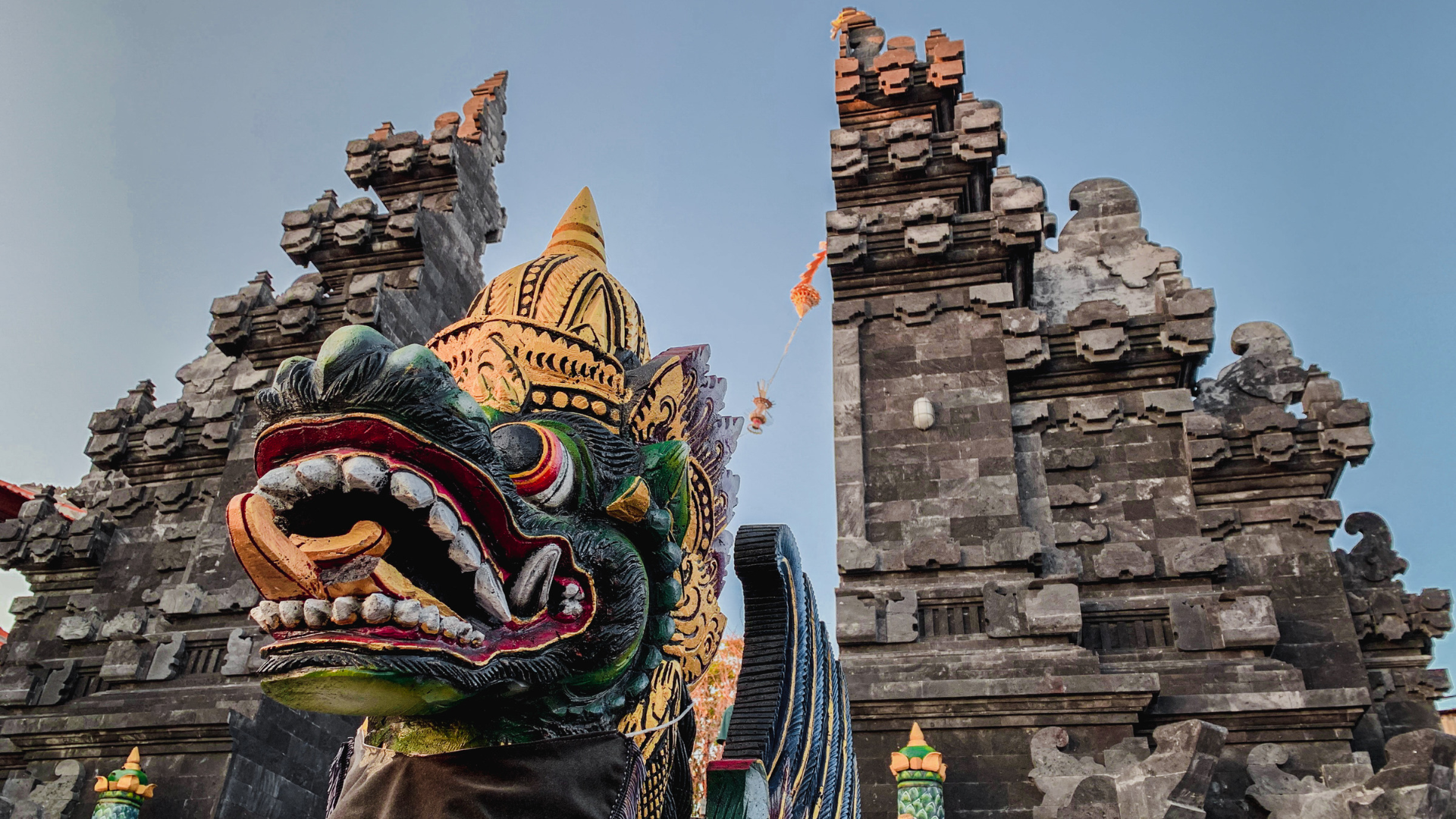
Tanah Lot, the sea temple on the coast of Tabanan, also hosts sunset kecak. The venue suits travellers combining the temple, its rock formations and the evening show in a single trip.
Batu Bulan
Batu Bulan in Gianyar is best known for its morning Barong performances and also stages kecak. Shows here tend to draw smaller crowds, offering a more intimate setting closer to the dancers.
Ubud
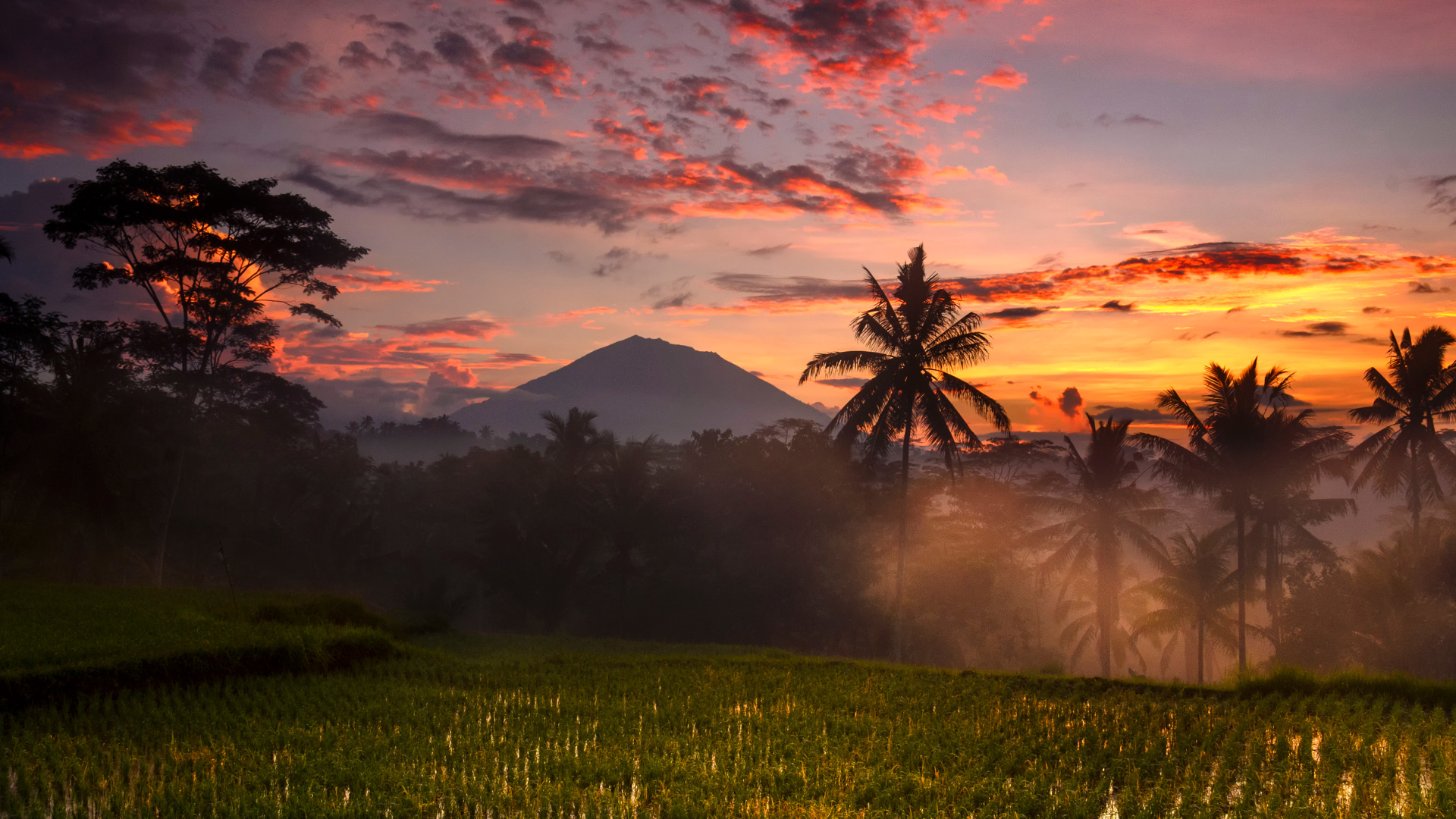
Ubud hosts kecak on most nights at several venues, including Pura Dalem Taman Kaja, where groups present a version linked to Limbak's original choreography. Ubud Palace stages other Balinese dances each evening, such as Legong and Barong, so a stay in the area allows you to compare kecak with gamelan-accompanied forms
Private kecak dance at The Seed
The Seed’s concierge team can arrange a private kecak performance on the estate, staged for your group alone as part of a wedding, retreat or celebration. The chorus, the Ramayana story and the fire finale unfold a few metres from your seats, and the concierge team handles timing, staging and chorus size before the event. Explore the full range of live performances on The Seed’s Entertainment page.
Common questions
What is the kecak dance about?
The kecak dance tells an episode of the Ramayana, the Hindu epic in which Prince Rama, aided by the monkey general Hanuman, rescues his wife Sita from the demon king Rahwana. A chorus of chanting men plays the monkey army.
Who created the kecak dance?
The modern kecak dance was developed in the early 1930s in Gianyar by Balinese dancer Wayan Limbak and German painter Walter Spies, who adapted the chorus of the sanghyang trance ritual into a Ramayana dance drama.
Where is the best place to watch kecak dance in Bali?
Uluwatu Temple is the most popular place to watch kecak dance in Bali, with daily sunset performances on a clifftop stage. Tanah Lot, Batu Bulan and Ubud also host regular shows.
How long does a kecak performance last?
A kecak performance lasts about one hour, including the Ramayana story and, at most venues, a closing fire dance segment drawn from the sanghyang jaran ritual.
What should I wear to a kecak dance at Uluwatu Temple?
Wear clothing that covers shoulders and knees when attending kecak at Uluwatu Temple. A sarong and sash are required on temple grounds and are usually provided at the entrance.
Choose your dates, see the live rate and book your villa in a few minutes.
Book Now
Plan your vacation
Family holidays, reunions, and quiet time together, by the sea in Candidasa.
Learn more →
Host your retreat
A venue for facilitators, with a full hospitality team behind every session.
Learn more →